Embark on a journey through the world of accounting and bookkeeping for startups, where we uncover the key principles and practices that can shape the financial health of your business.
Learn how to navigate the intricate landscape of financial management, ensuring your startup thrives in the competitive market.
Introduction to Accounting and Bookkeeping for Startups
Accounting and bookkeeping are essential components for the success of startups as they provide a clear picture of the financial health of the business. By keeping track of income, expenses, and other financial transactions, startups can make informed decisions and plan for the future.
The Importance of Accounting and Bookkeeping for Startups
Proper accounting practices play a crucial role in helping startups maintain financial transparency and accountability. It allows them to track their cash flow, monitor profitability, and comply with legal and tax requirements.
Benefits of Proper Accounting Practices for Startup Businesses
- Identifying areas of financial strength and weakness
- Facilitating strategic decision-making based on financial data
- Building credibility with investors, lenders, and other stakeholders
- Avoiding costly financial mistakes and penalties
Common Challenges Faced by Startups in Managing Finances
- Limited financial resources
- Lack of financial expertise
- Inefficient financial systems and tools
- Failure to separate personal and business finances
Basic Accounting Principles for Startups
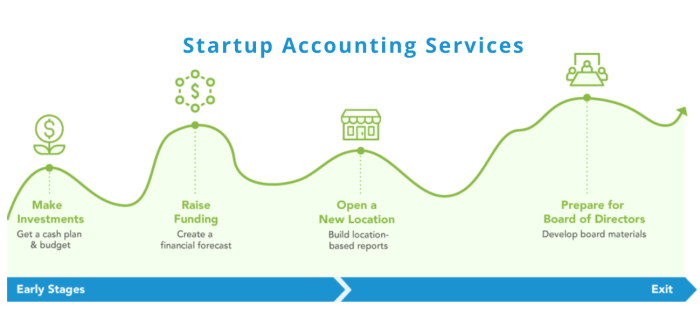
Accounting principles are essential guidelines that govern the preparation of financial statements for businesses, including startups. Understanding these principles is crucial for startups to maintain accurate financial records and make informed business decisions.
Key Accounting Principles for Startups
Startups need to adhere to the following key accounting principles:
- Consistency: Startups should consistently apply accounting methods and principles from one period to another to ensure comparability of financial information.
- Revenue Recognition: Revenue should be recognized when it is earned, regardless of when the cash is received. This principle is crucial for startups that provide services over a period of time.
- Matching Principle: Expenses should be matched with the revenues they generate in the same accounting period. This principle helps in accurately determining the profitability of the startup.
- Materiality: Startups should consider the materiality of transactions when preparing financial statements. Material items should not be omitted or misrepresented.
Difference between Cash Basis and Accrual Basis Accounting
Startups can choose between cash basis and accrual basis accounting methods:
- Cash Basis Accounting: This method records revenue and expenses when cash is actually received or paid. It is simple and straightforward, making it suitable for small startups with minimal transactions.
- Accrual Basis Accounting: This method records revenue when it is earned and expenses when they are incurred, regardless of cash flow. It provides a more accurate representation of a startup’s financial position and performance over time.
Application of Accounting Principles for Startups
Startups can effectively apply these accounting principles by maintaining detailed records of all financial transactions, categorizing them correctly, and preparing regular financial statements. By following these principles, startups can ensure transparency, accuracy, and compliance with accounting standards.
Setting Up an Accounting System for Startups
Setting up an accounting system is crucial for startups to effectively manage their finances and make informed business decisions. It involves establishing processes and tools to track income, expenses, and overall financial performance.
Steps to Setting Up an Accounting System
- Choose an Accounting Method: Decide between cash basis or accrual basis accounting, based on your business needs and goals.
- Set Up a Chart of Accounts: Create categories to organize transactions, such as income, expenses, assets, and liabilities.
- Select Accounting Software: Choose a user-friendly and cost-effective accounting software that suits the size and complexity of your startup.
- Link Bank Accounts: Connect your business bank accounts to the accounting software for easy reconciliation and tracking.
- Establish Bookkeeping Processes: Define how transactions will be recorded, including invoices, receipts, and other financial documents.
- Implement Internal Controls: Set up checks and balances to prevent errors and fraud in the accounting system.
Comparison of Accounting Software Options for Startups
| Software | Features | Pricing |
|---|---|---|
| QuickBooks Online | Comprehensive accounting tools, invoicing, expense tracking | Starting at $25/month |
| Xero | Cloud-based accounting, bank reconciliation, financial reporting | Starting at $20/month |
| Wave | Free accounting software, invoicing, receipt scanning | Free |
Importance of Categorizing Expenses and Income Correctly
Categorizing expenses and income correctly is essential for startups to have a clear understanding of their financial health and performance. It helps in analyzing spending patterns, identifying cost-saving opportunities, and ensuring accurate financial reporting for tax compliance and investor relations.
Financial Statements for Startups
Financial statements are crucial for startups as they provide a snapshot of the financial health of the business. These statements include income statements, balance sheets, and cash flow statements, which help startups track their financial performance, make informed decisions, and attract potential investors.
Creating and Interpreting Financial Statements
Startups can create income statements to show their revenue and expenses over a specific period, helping them assess profitability. Balance sheets provide a summary of the company’s assets, liabilities, and equity at a given time, indicating the financial position. Cash flow statements reveal how cash is flowing in and out of the business, ensuring there is enough liquidity to cover expenses.
- Income statements: Show the company’s revenue and expenses, indicating profitability.
- Balance sheets: Summarize assets, liabilities, and equity to assess the financial position.
- Cash flow statements: Display cash inflows and outflows, ensuring liquidity.
Using Financial Statements for Informed Decisions
Startups can use financial statements to analyze trends, identify areas of improvement, and make strategic decisions. By comparing different periods’ financial data, startups can track progress and adjust their business strategies accordingly. Investors also rely on these statements to evaluate the startup’s financial health and growth potential.
- Analysis of trends: Identify patterns in revenue, expenses, and cash flow to make informed decisions.
- Strategic decision-making: Use financial data to guide business strategies and set realistic goals.
- Investor evaluation: Provide financial statements to attract potential investors and showcase growth potential.
ACCOUNTING SERVICE
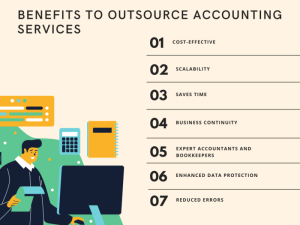
Outsourcing accounting services can be incredibly beneficial for startups as it allows them to focus on core business activities while leaving the financial management to professionals. This can help startups save time, reduce errors, and ensure compliance with regulations.
Benefits of Outsourcing Accounting Services for Startups
- Access to Expertise: By outsourcing accounting services, startups can benefit from the expertise of professionals who are well-versed in financial management.
- Cost-Effective: Hiring an in-house accounting team can be costly for startups, while outsourcing allows them to pay only for the services they need.
- Time Savings: Outsourcing accounting services frees up valuable time for startup founders and employees to focus on growing the business.
- Scalability: Accounting service providers can scale their services according to the needs of the startup, making it easy to adjust as the business grows.
Key Factors to Consider When Choosing an Accounting Service Provider
- Experience and Expertise: Look for a provider with experience working with startups and a deep understanding of the industry.
- Technology Integration: Consider a provider that uses modern accounting software to streamline processes and improve efficiency.
- Cost Structure: Compare pricing and services offered by different providers to find the best fit for the startup’s budget and needs.
- Reputation and References: Check for reviews and ask for references to ensure the provider has a positive track record.
How Accounting Services Can Help Startups Save Time and Money
- Efficiency: Accounting service providers can streamline financial processes, reducing the time spent on manual tasks and minimizing errors.
- Compliance: Professionals can ensure that the startup remains compliant with tax laws and regulations, avoiding costly penalties.
- Financial Insights: Accounting services provide valuable financial insights that can help startups make informed decisions and improve profitability.
As we conclude our discussion on accounting and bookkeeping for startups, remember that a solid financial foundation is the cornerstone of any successful venture. Implement these strategies to steer your startup towards prosperity and growth.
FAQ Section
How can proper accounting benefit startups?
Proper accounting provides startups with clear financial insights, aiding in informed decision-making and long-term sustainability.
What are the key factors to consider when choosing an accounting service provider?
Consider factors like experience, reputation, services offered, and cost to ensure you find a provider that aligns with your startup’s needs.
How can startups use financial statements to make informed decisions?
Financial statements offer a snapshot of your startup’s financial health, helping you analyze performance, identify trends, and plan for the future.
Why is it important to categorize expenses and income correctly?
Accurate categorization ensures that financial data is organized and easily accessible, facilitating budgeting, forecasting, and tax compliance.